Engineering Input Before Manufacturing Begins

Design decisions determine how a part will be manufactured, how it behaves during production, and how consistent the final output will be.

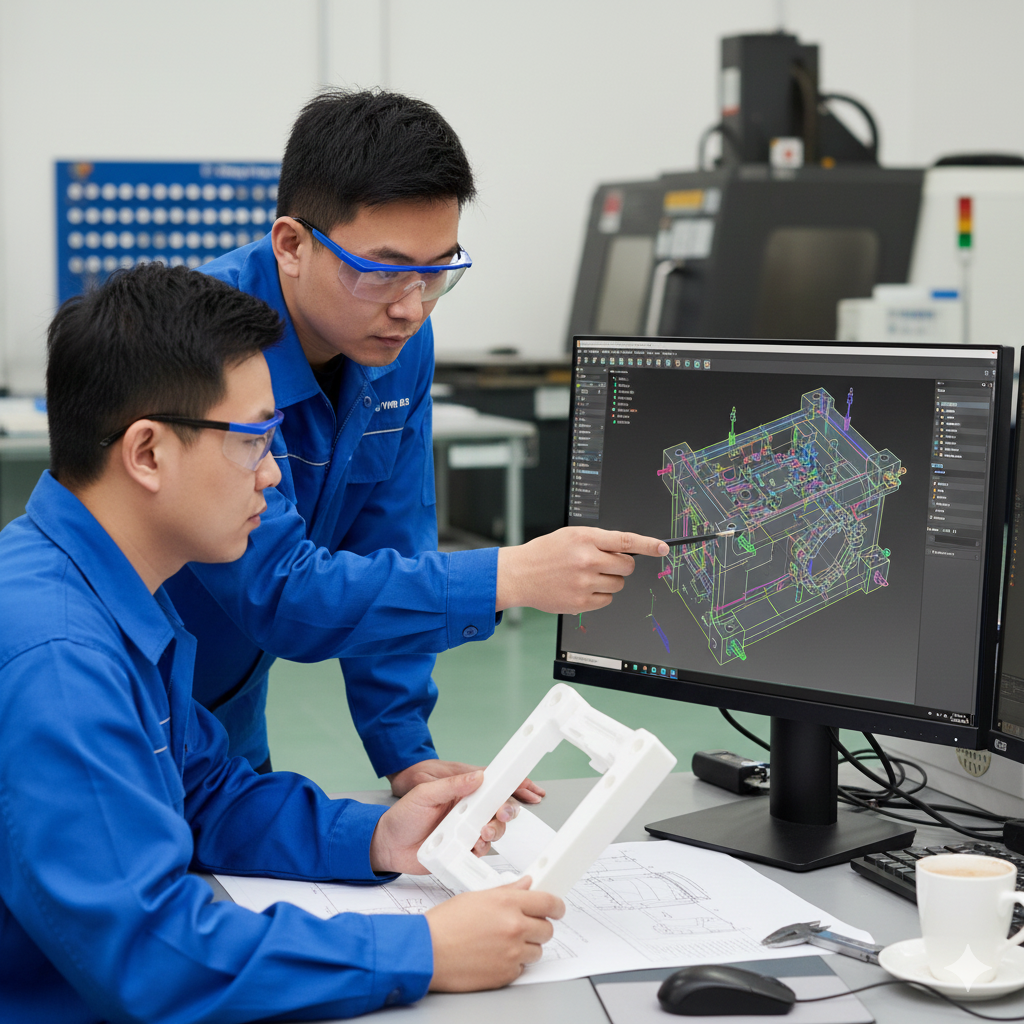
Early-stage engineering input is used to evaluate geometry, material selection, and process compatibility before manufacturing begins.
Where Engineering Input Is Applied

Engineering input is applied at different points depending on the complexity of the part and the selected manufacturing method.

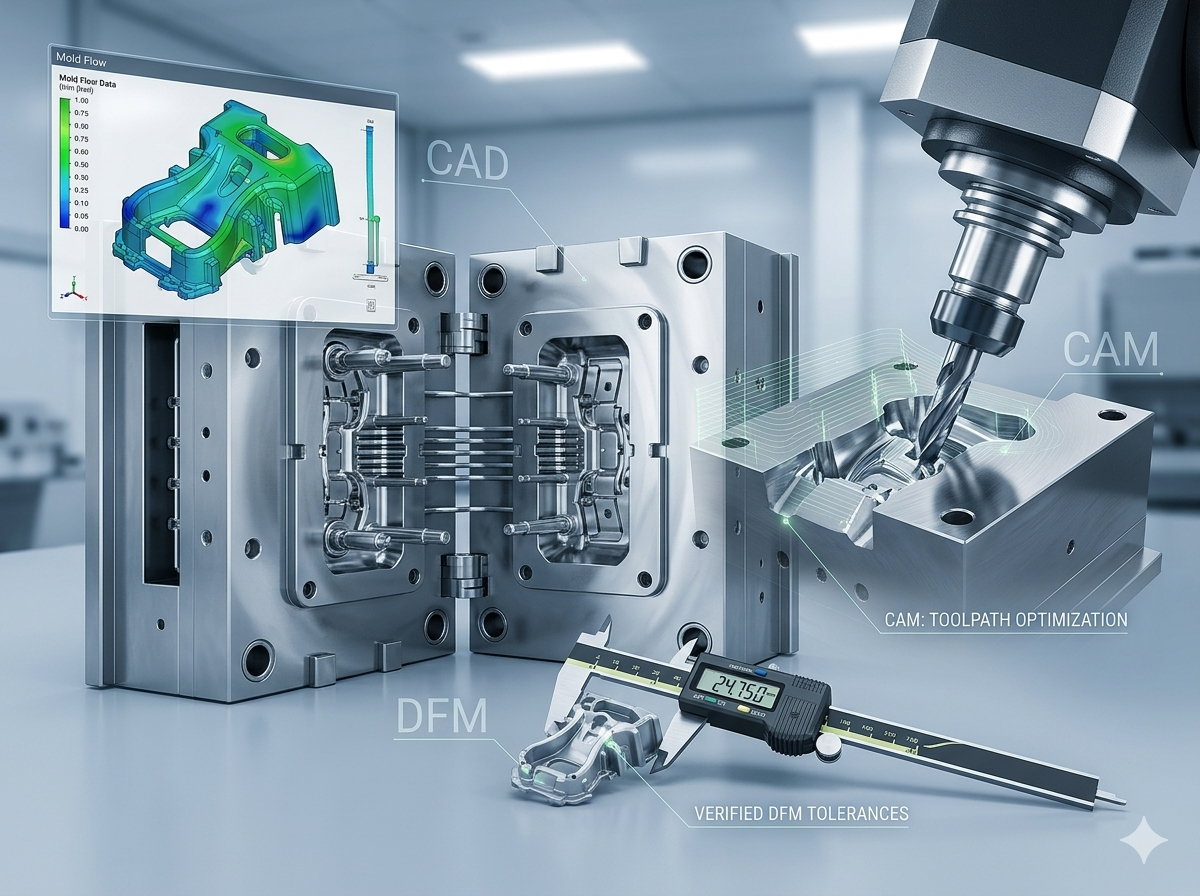
  • Geometry Evaluation
    Assessment of part shape in relation to manufacturing limits
  • Tolerance Review
    Understanding which dimensions are critical and how they can be achieved
  • Material Consideration
    Selection based on strength, machinability, or molding behavior
  • Process Alignment
    Matching part design with suitable manufacturing methods
  • Simulation and Prediction
    Use of analysis tools where required to anticipate behavior

These steps influence how efficiently a part can be produced and how stable the output will be.


Impact on Manufacturing Outcomes

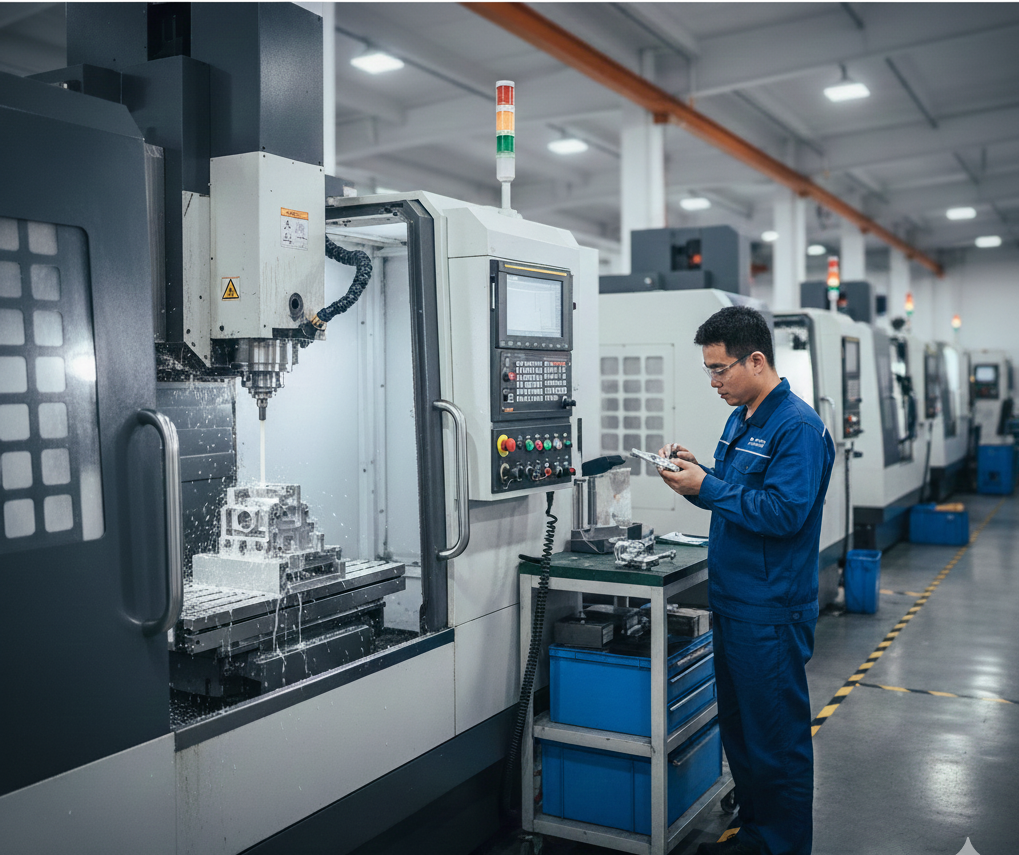
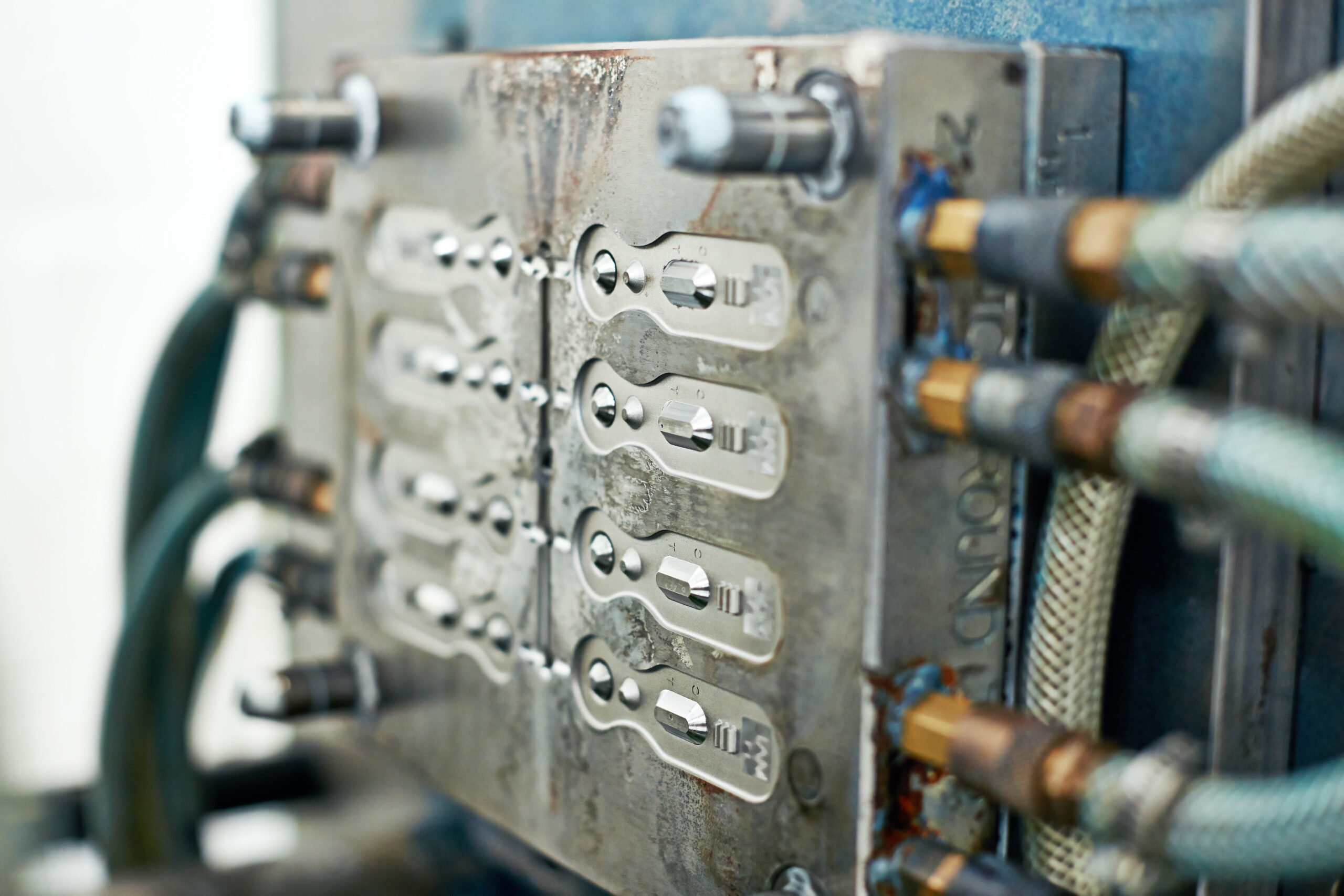
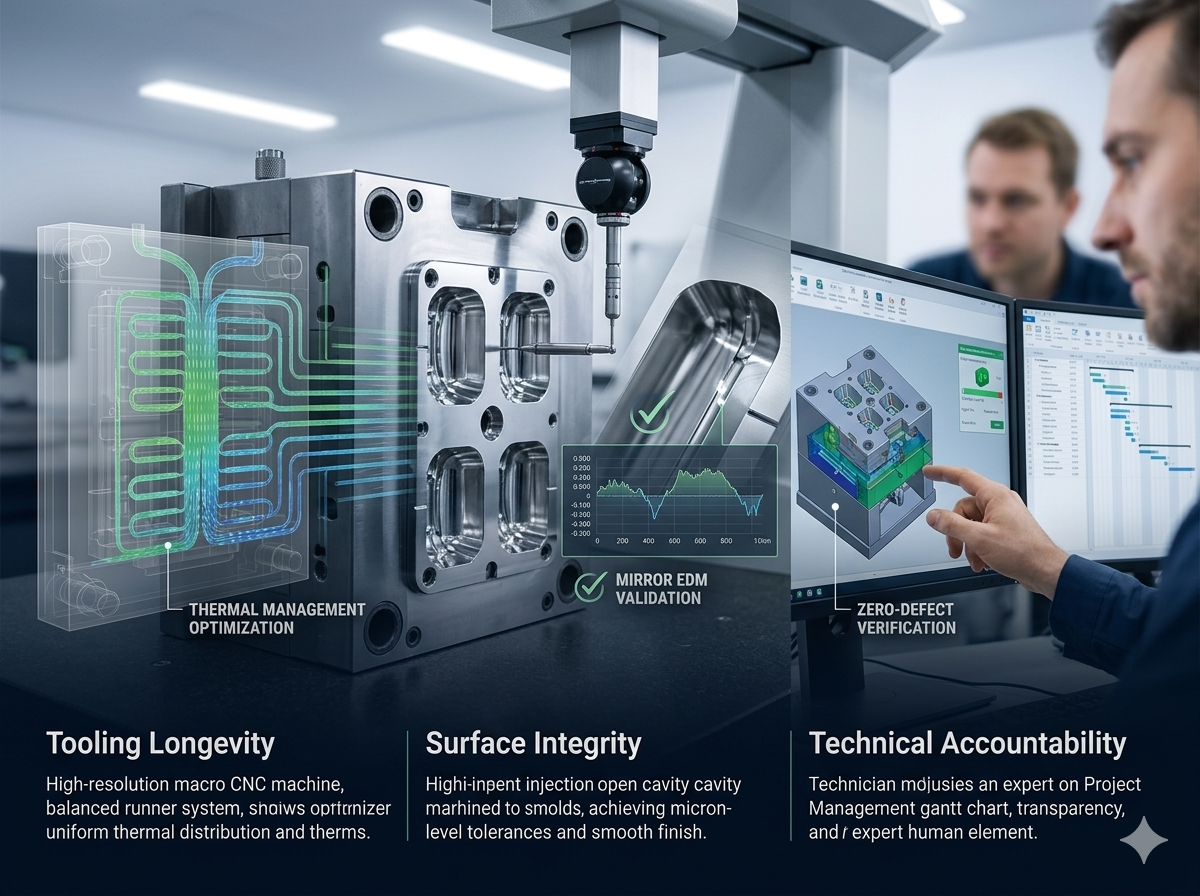
Decisions made during design and programming directly affect how the part is produced on the machine or within the mould.

  • Toolpath strategy influencing surface finish
  • Geometry affecting tool accessibility
  • Material behavior impacting machining or molding response
  • Tolerance distribution affecting assembly fit
  • Design complexity influencing cycle time

These factors determine whether production runs smoothly or requires continuous adjustment.

WE ARE EXPERT AT

From Concept to Completion – A Streamlined Workflow

Our Process (How We Work)

We follow a simple, step-by-step process to deliver precision moulds with quality and efficiency.

1

Consultation

2

Design

3

Manufacturing

4

PROOFING

5

Delivery

Our Partners Speak

Client's Testimonials

Our end-to-end capabilities ensure your project moves seamlessly from idea to full-scale production.