Hot Runner VS Cold Runner Moulds: An Engineering Guide to Injection System Selection
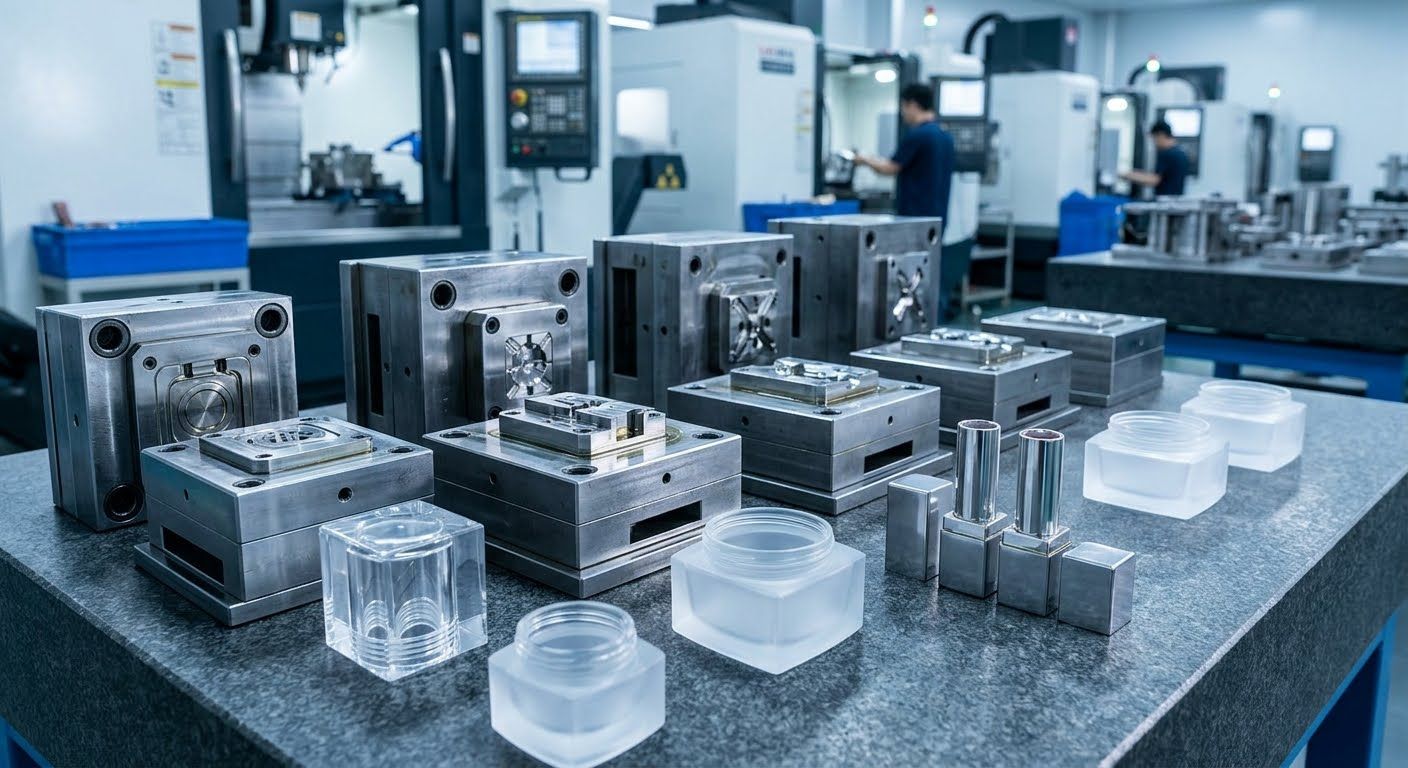
When sourcing a plastic injection mould design from China, one of the most critical decisions made during the initial Design for Manufacturability (DFM) review is selecting the melt distribution system. The choice between hot runner vs cold runner moulds fundamentally dictates your upfront tooling investments, operational cycle times, part aesthetics, and long-term material waste profiles.
For international OEMs and product design teams, understanding how these systems manipulate molten plastic within the tool is essential for managing production budgets. Based out of the global manufacturing hub of Dongguan, China, the engineering team at Hong Ying Tooling has compiled this comprehensive technical comparison to help you choose the right configuration for your next molding project.
Understanding Cold Runner Mould Systems
A cold runner system is the traditional approach to injection molding. In this setup, the runner channels—the pathways that transport molten plastic from the machine nozzle to the part cavities—are unheated. Consequently, during each injection cycle, both the plastic inside the part cavity and the plastic inside the runner channels cool and solidify together.
The Advantages of Cold Runner Tooling
Lower Initial Investment: Cold runner tools are mechanically less complex than hot runner systems. They do not require electrical manifolds, heater bands, or specialized controllers, which translates to a lower upfront tooling cost.
Simplified Maintenance: Without electrical components or heating elements integrated directly into the mould base, these tools are easier to maintain, troubleshoot, and service over extended production lifecycles.
High Material Flexibility: Cold runners can process almost any thermoplastic resin, including heat-sensitive materials like PVC or structural polymers that are prone to thermal degradation if left sitting in a heated manifold too long.
The Disadvantages of Cold Runner Tooling
Increased Material Waste: The solid plastic scrap generated within the runner system must be ejected along with the finished parts. While this runner scrap can often be reground and recycled, it introduces secondary processing costs and can affect material purity.
Extended Cycle Times: The thick runner channels frequently take longer to cool down than the actual molded component. The entire machine cycle is bottlenecked by the cooling rate of the runner scrap, lowering overall throughput.
Understanding Hot Runner Mould Systems
A hot runner system acts as an extension of the injection molding machine's heated barrel. It utilizes an internal manifold block equipped with electrical heaters to maintain the thermoplastic at a precise, molten temperature as it flows through the internal channels of the tool. The plastic within a hot runner never solidifies; only the material inside the part cavities cools and cures during each cycle.
The Advantages of Hot Runner Systems
Zero Dynamic Material Scrap: Because the plastic inside the heated manifold stays molten for the next cycle, the system yields virtually zero runner waste. This delivers immense cost savings when processing expensive engineering resins like PEEK, Ultem, or medical-grade polymers.
Optimized Cycle Times: Eliminating the need to cool down a thick structural plastic runner channel drastically shortens the cooling phase. This enables rapid cycle times, which is critical for maximizing efficiency in high-volume production programs.
Superior Part Quality: Heated manifolds offer precise thermal regulation, ensuring consistent melt pressure across multi-cavity molds. This helps reduce internal part stress, eliminate visible sink marks, and minimize cosmetic defects around the gating area.
The Disadvantages of Hot Runner Systems
Higher Upfront CapEx: Integrating heating manifolds, internal tips, and temperature controllers increases the complexity of the initial tool build, resulting in higher upfront tooling costs.
Complex Maintenance Profiles: Servicing a hot runner tool requires specialized mechanical skills. Dealing with polymer leaks inside the manifold or replacing burnt-out heater bands requires downtime and careful attention.
Strategic Guidelines: When to Choose Each System
To streamline your manufacturing project, our engineering team uses specific parameters during the DFM phase to recommend the ideal runner layout:
Choose a Cold Runner Mould If:
You are running a low-volume prototyping or short-run production campaign where upfront tooling costs dominate the budget.
You are utilizing commodity plastics where the financial impact of runner scrap is negligible.
The geometry of the parts allows for simple automation, or manual separation of parts and runners is acceptable.
Choose a Hot Runner Mould If:
You are scaling into high-volume mass production where minimizing cycle time is essential to hit unit economics.
You are working with costly engineering materials, making scrap reduction a primary financial priority.
You are manufacturing high-precision multi-cavity parts—such as medical devices or intricate electronics components—where cosmetic perfection and absolute consistency are mandatory.
Partner with Hong Ying Tooling for Your Next Injection Moulding Project
Navigating the choice between hot runner and cold runner configurations requires deep engineering experience. At Hong Ying Tooling, we leverage our strategic position in Dongguan, China to connect global OEMs with robust tool-building expertise.
We evaluate your production targets, material selection, and tolerance requirements to design the most efficient tool for your application. From initial DFM engineering reviews to complete project management, trial shots, and final quality control verification, we deliver manufacturing clarity every step of the way.
Optimize your injection tooling layout today.